

Vitamin C for Kids: 7 Vital Tips Every Parent Must Know
Vitamin C for kids is not just another nutrition buzzword. It is a vital nutrient that plays a central role in a child’s immune system, growth, and overall well-being. Many parents are unsure how much Vitamin C their children really need, which sources are safest, and how to avoid deficiencies or overdoses.
Vitamin C for Kids: 7 Vital Tips Every Parent Must Know
The good news is that by understanding a few science-backed facts, you can make confident decisions about Vitamin C for kids and support your child’s health every day. This article gives you seven vital tips every parent must know, drawn from medical research, pediatric recommendations, and practical experience.
When you master these tips, you protect your child from the hidden dangers of deficiency, you avoid wasting money on unnecessary supplements, and you build a healthy foundation that can last a lifetime. Vitamin C for kids is powerful when used correctly, and these strategies will help you get it right.
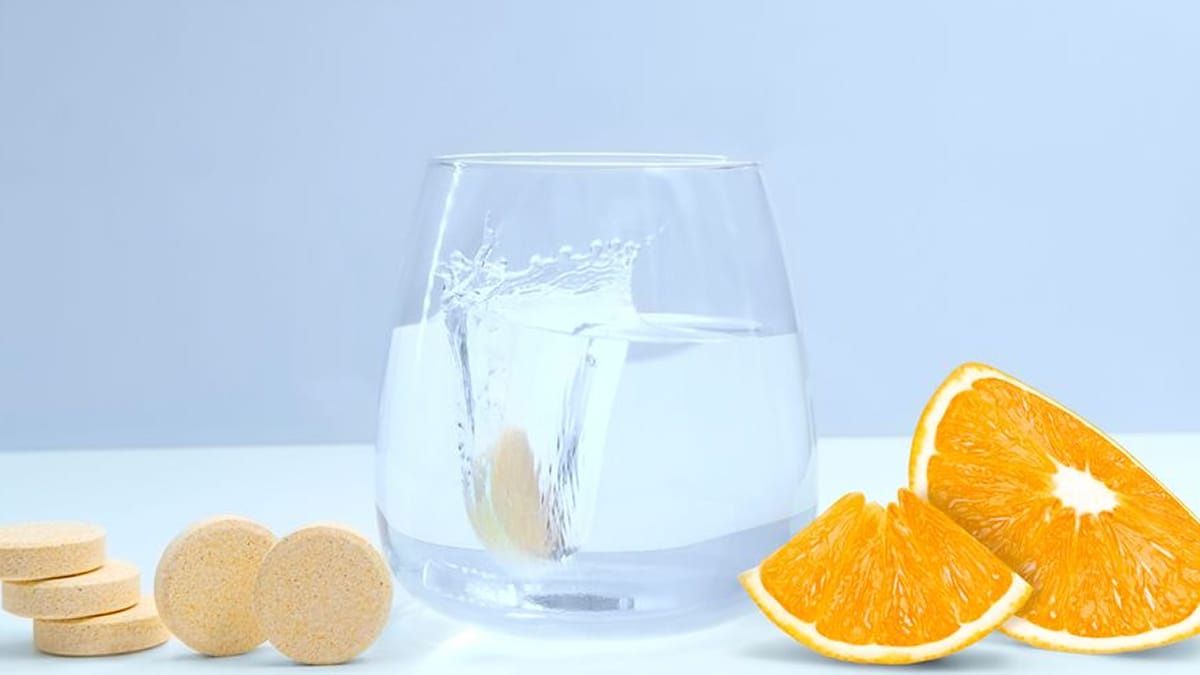
Understand Why Vitamin C is Essential for Kids
Vitamin C, also known as ascorbic acid, is a water-soluble vitamin that the body cannot produce on its own. For children, it is essential for building strong immunity, forming collagen for healthy skin and tissues, repairing wounds, and enhancing iron absorption. According to the American Academy of Pediatrics, children with adequate Vitamin C intake are less likely to experience frequent colds and recover faster from minor illnesses. On the other hand, chronic deficiency can lead to gum problems, delayed wound healing, and a weakened immune system. Parents who grasp this big picture are better prepared to prioritize Vitamin C in their child’s diet.
Know the Recommended Daily Intake by Age
Knowing how much Vitamin C for kids is enough and not too much is critical. The National Institutes of Health (NIH) provides clear guidelines. Infants up to 12 months need about 40–50 milligrams per day. Children aged 1–3 years require about 15 milligrams daily, ages 4–8 need 25 milligrams, and ages 9–13 need 45 milligrams. Teenagers require slightly more. While these numbers may seem small, consistently meeting them makes a real difference. Going far above these amounts with high-dose supplements can cause diarrhea, nausea, or stomach cramps. Parents should be alert (fear trigger) that “more” is not always better when it comes to Vitamin C for kids.
Choose Natural Food Sources First
The best way to meet Vitamin C requirements for kids is through natural foods. Citrus fruits like oranges and tangerines, strawberries, kiwi, mangoes, papaya, guava, and vegetables such as red bell peppers and broccoli are all rich in Vitamin C. Natural sources provide not only Vitamin C but also fiber and other beneficial phytonutrients. For example, half a cup of chopped red bell pepper contains over 60 milligrams of Vitamin C, already surpassing the daily needs of most young children. Including a rainbow of fruits and vegetables in your child’s meals and snacks helps ensure steady intake without relying on pills.
Parents who have successfully boosted their children’s immunity often share that simply offering a colorful fruit salad after school or blending a smoothie with berries and yogurt became an easy habit. This approach can be more effective and enjoyable than chasing children with tablets or syrups.
Use Supplements Wisely and Safely
Despite your best efforts, there may be times when supplements become necessary—such as when a child is a very picky eater, has food allergies, or is recovering from an illness. In such cases, Vitamin C for kids supplements can help fill the gap. Options include chewable tablets, liquid drops for toddlers, powders that mix into drinks, and multivitamin syrups. However, always read the label carefully, stick to age-appropriate doses, and consult your pediatrician if unsure. Keep supplements out of children’s reach to avoid accidental overdosing. This cautious approach prevents the hidden danger of giving too much of a “good thing.”
Combine Vitamin C with Other Nutrients for Better Absorption
Another vital tip parents often overlook is how Vitamin C interacts with other nutrients. Vitamin C significantly enhances iron absorption from plant-based foods. Serving a small glass of orange juice with iron-fortified cereal, or adding strawberries to oatmeal, can improve your child’s iron status naturally. This synergy is particularly important for children at risk of iron deficiency anemia. Pairing foods this way not only boosts nutrient absorption but also introduces kids to delicious combinations that can become lifelong healthy habits.
Recognize the Signs of Vitamin C Deficiency or Excess
While scurvy (severe Vitamin C deficiency) is rare today, mild deficiency can still occur in kids who eat limited fruits and vegetables. Warning signs include frequent colds, gum bleeding, easy bruising, slow wound healing, or persistent fatigue. On the other hand, excessive Vitamin C supplementation can cause diarrhea, abdominal pain, or even kidney stones in rare cases. Parents should watch for these red flags and seek medical advice if they suspect an imbalance. Recognizing these signs early can prevent more serious problems.
Make Vitamin C Part of a Fun Daily Routine
Children are more likely to embrace healthy eating when it feels fun and empowering. Turn Vitamin C for kids into a positive daily ritual. Involve your child in choosing fruits at the market, let them help wash and slice berries, or create colorful snack plates together. Make smoothies or popsicles with Vitamin C-rich ingredients as treats. Gamifying the process—such as “eating a rainbow” every day—encourages curiosity and excitement rather than resistance. Parents who model enjoyment of these foods often find their children naturally follow suit.
Common Myths and Facts
Many parents believe Vitamin C can prevent every cold or cure the flu. While adequate Vitamin C supports immune function, studies show it does not make children invincible. However, it can slightly reduce the duration or severity of colds. Another myth is that high doses accelerate recovery, but research does not support mega-dosing in children. Understanding these facts helps you avoid false expectations and use Vitamin C effectively as part of a broader healthy lifestyle.
Practical Tips for Parents
Offer a variety of Vitamin C-rich foods daily rather than relying on a single source.
Use age-appropriate supplements only when dietary intake is inadequate.
Combine Vitamin C foods with iron-rich meals for better absorption.
Store supplements in a cool, dry place out of children’s reach.
Consult your pediatrician before starting new supplements, especially if your child has health conditions.
Frequently Asked Questions
How much Vitamin C do kids really need each day?
Recommended daily intake varies by age: about 15 mg for toddlers, 25 mg for young children, and 45 mg for preteens. Teens require slightly more. Stick to these ranges unless directed by a doctor.
Does my child need a Vitamin C supplement if they eat fruit daily?
If your child eats a variety of Vitamin C-rich fruits and vegetables, they likely meet their needs without supplements. Supplements are mainly for picky eaters or special medical situations.
What are the side effects of giving too much Vitamin C to kids?
High doses can cause diarrhea, nausea, abdominal pain, and in rare cases, kidney stones. Always follow age-specific dosage guidelines.
Which foods have the most Vitamin C for kids?
Citrus fruits, strawberries, kiwi, guava, papaya, red bell peppers, and broccoli are excellent sources. Offering a mix throughout the week keeps intake balanced.
Can Vitamin C prevent my child from catching colds?
Vitamin C supports immunity and may slightly shorten cold duration, but it cannot completely prevent infections. Balanced nutrition, sleep, and hygiene also matter.
When should I consult a doctor about my child’s Vitamin C intake?
If you notice persistent gum bleeding, slow wound healing, or digestive issues from supplements, consult a pediatrician. Seek professional guidance before starting high-dose supplements.
How do I choose a safe Vitamin C supplement for my child?
Pick products labeled for children with clear dosing instructions. Avoid mega-dose formulas and check for third-party quality testing if possible.
Final Thoughts: 6 Key Takeaways for Parents
Vitamin C for kids is essential for strong immunity, growth, and tissue repair.
Meeting daily needs through colorful fruits and vegetables is the safest, most effective approach.
Use supplements as a backup, not a replacement for healthy foods.
Combine Vitamin C with iron-rich meals for added benefits.
Watch for signs of deficiency or excess and act early.
Turn Vitamin C intake into a fun, family-friendly routine to build lifelong healthy habits.
Recommended Product Types
Chewable Vitamin C tablets formulated for kids
Vitamin C drops designed for toddlers
Multivitamin syrup containing Vitamin C
Vitamin C powder to mix with drinks
Natural dried fruit snacks high in Vitamin C
Reference & Additional Reading
Inspired by studies and insights from:
www.health.harvard.edu
www.menshealth.com
www.healthline.com
www.womenshealthmag.com
www.ncbi.nlm.nih.gov
www.webmd.com
www.medlineplus.gov
www.tridenttech.edu
www.burnexia.com